






How to Care for Towels Properly in the Summer: This Is How to Protect Their Colors and Fibers
During the summer, towels are put through much more wear and tear than during the rest of the year. The beach, the pool, the sun, chlorine, salt water, and sunscreen all leave their mark—something many people don’t notice until the colors fade, stains won’t come out, or the fibers become rough.
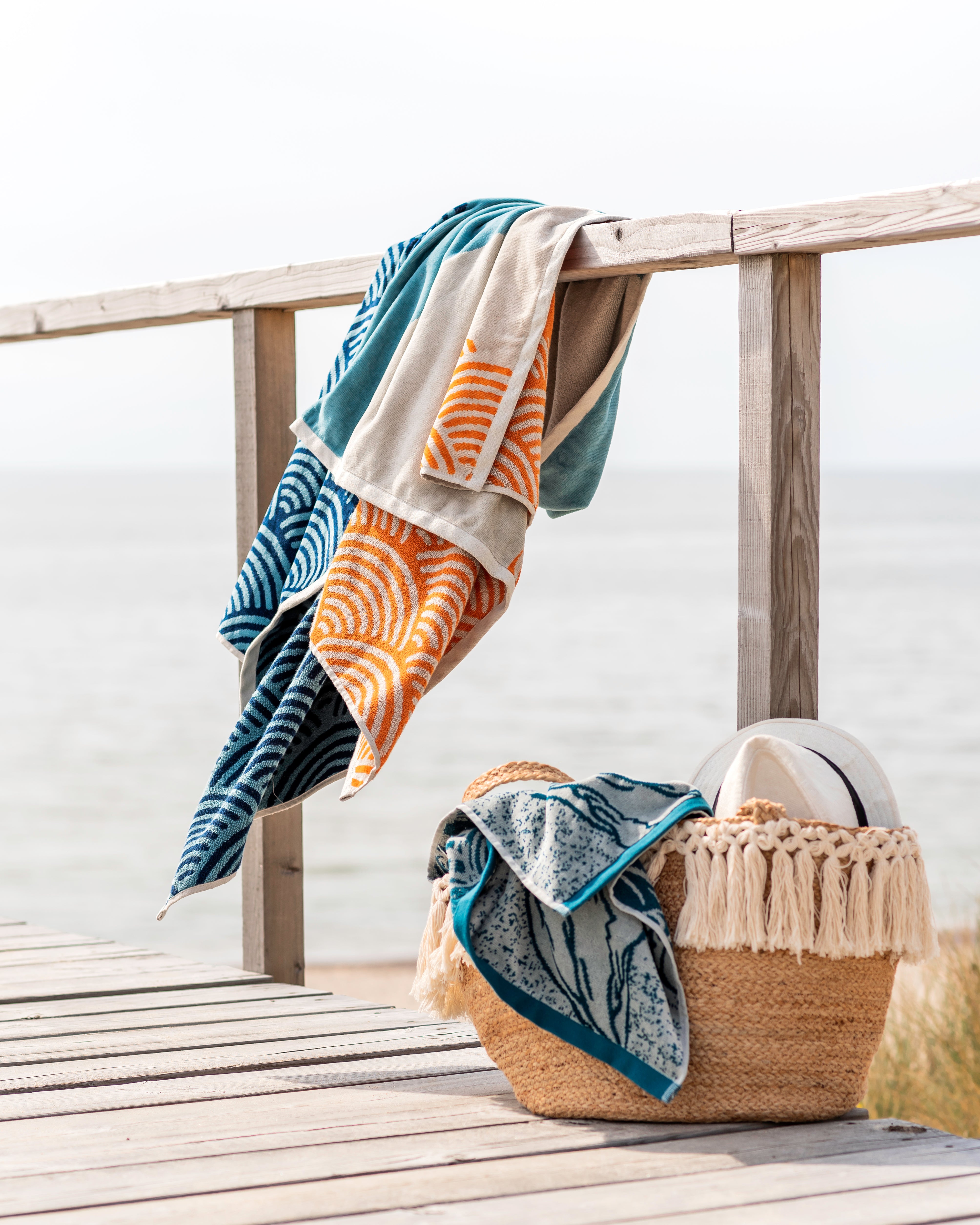
Beach towels, in particular, are frequently exposed to moisture, heat, and residue during the summer. This makes proper care—between the beach, the pool, and the washing machine—all the more important.
If you avoid a few simple care mistakes, you can keep the colors, absorbency, and softness for much longer.
Why Towels Are Put Under Greater Strain in the Summer
In everyday life, towels are usually used after showering and then dried at home. In the summer, how they're used changes significantly.
Beach towels are often left in the sun for hours, stay damp longer, or come into contact with salt, chlorine, sand, and sunscreen. This puts greater strain on both the fibers and the colors.
The following are particularly hard on towels in the summer:
- Saltwater
- Chlorinated water
- UV radiation
- Sunscreen and Oils
- wet rolling
- Sand between the fibers
The longer these residues remain in the fabric, the more the colors and material can be damaged.
Sun and Heat: What Damages Colors and Fibers
Many people leave their beach towels to dry in direct sunlight right after swimming. While this may seem convenient in the short term, intense UV radiation can cause the colors to fade and the fibers to dry out over time.
Bright summer colors, in particular, lose their vibrancy more quickly when towels are constantly exposed to direct sunlight. Extreme heat also takes a toll on the cotton fibers. As a result, towels may become rougher or lose their softness over time.
The best way to dry towels:
- airy
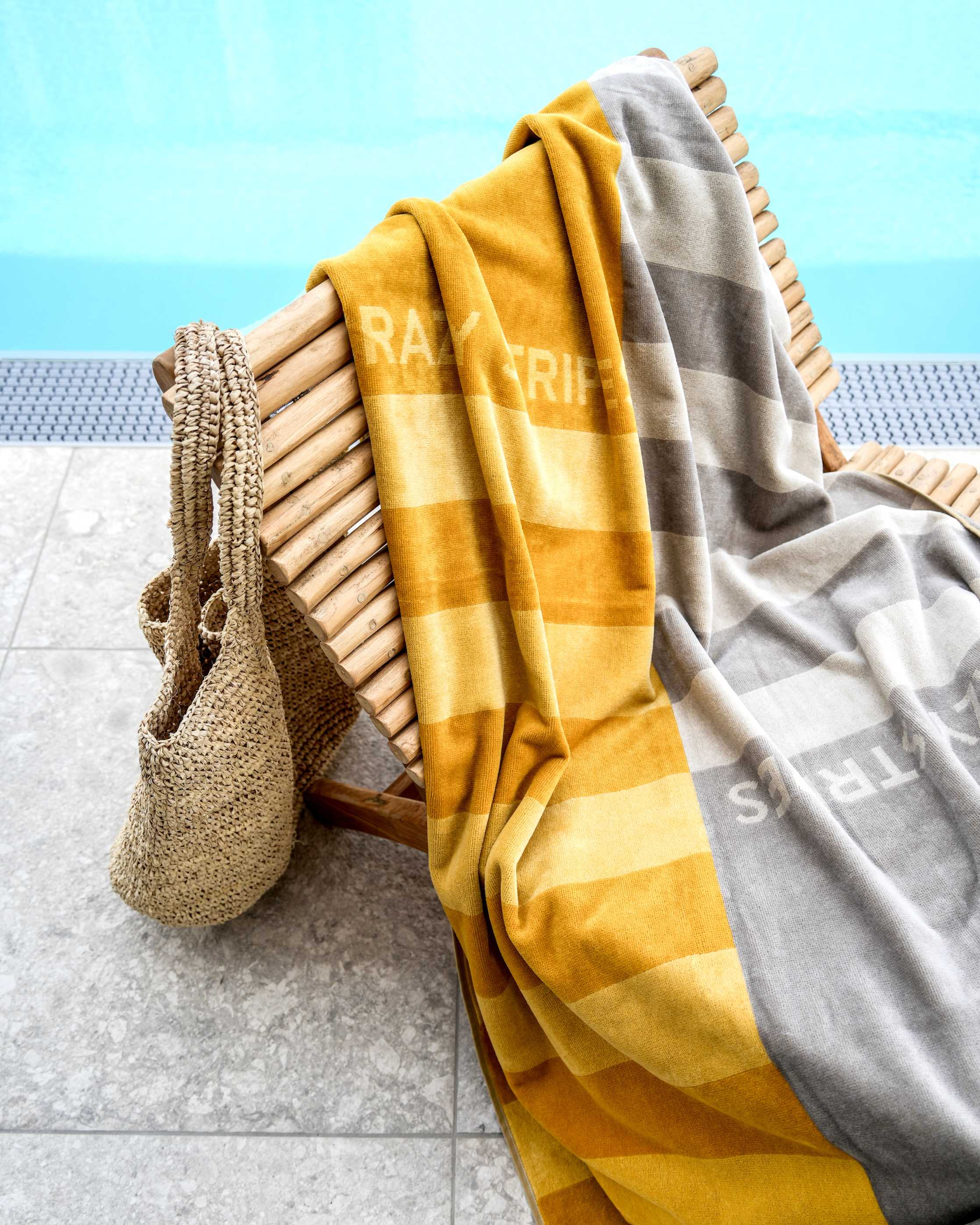
- fully spread out
- If possible, avoid staying in direct midday sun for hours on end
This protects both the colors and the texture of the material.
Why Proper Drying Is Especially Important in the Summer
In the summer, towels are often used several times a day. This is exactly what causes many common care problems.
A wet beach towel rolled up in a hurry, tossed into a beach bag, or left in the car. If moisture remains in the fabric for an extended period, unpleasant odors can develop and the fibers can be damaged.
That's why, especially in the summer:
- Spread out towels completely after each use
- Don't roll up damp towels for too long
- Let beach towels dry as quickly as possible
- Do not store wet towels in bags for long periods of time
The towel should be washed thoroughly afterward, especially after coming into contact with seawater or chlorine.
How often should you wash towels in the summer?
In the summer, towels are generally used more often than during the rest of the year. At the same time, residues from sunscreen, sweat, chlorine, or salt build up more quickly in the fabric.
That's why it's a good idea to clean it more regularly in the summer.
Beach towels and bath towels should be washed:
- after several days of heavy use
- at the latest when you notice an odor or see visible residue
- after frequent contact with chlorine or saltwater
- if sunscreen is clearly visible on the fabric
For everyday use, 40°C is usually sufficient. Occasionally, a wash cycle at 60°C may be helpful to thoroughly remove residue and bacteria.
Common Mistakes in Caring for Towels in the Summer
Many towels lose their softness or color vibrancy not because of age, but because of improper care.
Some of the most common summer mistakes include:
Leaving wet towels lying around: Moisture over an extended period of time puts a strain on the fibers and can cause musty odors.
Too much sunscreen on the fabric: Sunscreen soaks into the cotton and can reduce its absorbency if towels aren't washed regularly.
Drying in the intense midday sun: Excessive sun exposure can cause colors to fade and dry out cotton fibers.
Use fabric softener: Fabric softener forms a film over the fibers and permanently reduces their absorbency. This is especially noticeable with beach towels.
Leave the sand in your towel: Fine sand acts like an abrasive between the fibers and puts additional strain on the surface with every movement.
How to Keep Your Beach Towels Looking Good Longer
With the right care, high-quality towels will remain soft, absorbent, and vibrant even after many summer days.
The following are particularly important:
- Regular ventilation
- complete drying
- Quick wash after exposure to chlorine or saltwater
- No fabric softener
- Gentle drying without extreme heat
VOSSEN beach towels are made from high-quality cotton and are designed for long-lasting use. The special cold-block dyeing process also helps preserve the colors’ intensity over time. They are sustainably produced in Jennersdorf in the Austrian state of Burgenland.
Frequently Asked Questions About Towel Care in the Summer
Why do towels start to smell faster in the summer?
Frequent exposure to moisture, heat, and slow drying can cause moisture and residue to build up in the fabric more quickly.
Should you wash beach towels after every day at the beach?
It's not necessary to wash it after every use. However, after several days of intense beach activity, or if the fabric has been exposed to chlorine, salt, and sunscreen, it's recommended that you wash it.
Is it okay to dry beach towels in the sun?
Yes, but try not to leave it out in the intense midday sun for hours on end. Excessive UV radiation can damage colors and fibers.
Why shouldn't you use fabric softener?
Fabric softener reduces the absorbency of cotton fibers and can make towels less effective over time.
How can you keep the colors on beach towels vibrant for longer?
Washing regularly, drying gently, and minimizing direct UV exposure as much as possible will help protect the colors for longer.
Conclusion: Proper summer maintenance extends the product's lifespan
During the summer, towels are subjected to much heavier use than during everyday life at home. Sun, salt, chlorine, sand, and sunscreen take a toll on both the colors and the fibers.
With the right care, however, high-quality towels will stay soft, absorbent, and vibrant for a long time. Often, just a few small changes in your daily routine are enough to keep beach towels looking great for many summers to come.