






How Long Do Towels Last? Lifespan, Care, and When It Makes Sense to Replace Them
High-quality towels last significantly longer than inexpensive ones when cared for properly. The difference lies not only in the material, but also in daily use and care. One factor in particular is often underestimated: fabric softener. It coats the fibers like a film and can permanently reduce the absorbency of towels.
How long does a towel really last?
The lifespan of a towel depends primarily on two things: the quality of the cotton used and proper care.
Inexpensive towels made from low-quality fibers often lose their absorbency after just a short time, become rough, or look worn out. High-quality towels made from dense cotton, on the other hand, retain their qualities for much longer.
The key factors here are:
- the correct wash temperature
- Avoiding fabric softener
- complete drying
- Regular use instead of long-term storage
If you keep these points in mind, you can often use high-quality towels for many years without any problems.
What factors affect the lifespan of towels?
Material Quality: The Most Important Factor
The quality of the cotton plays a major role in determining how a towel ages.
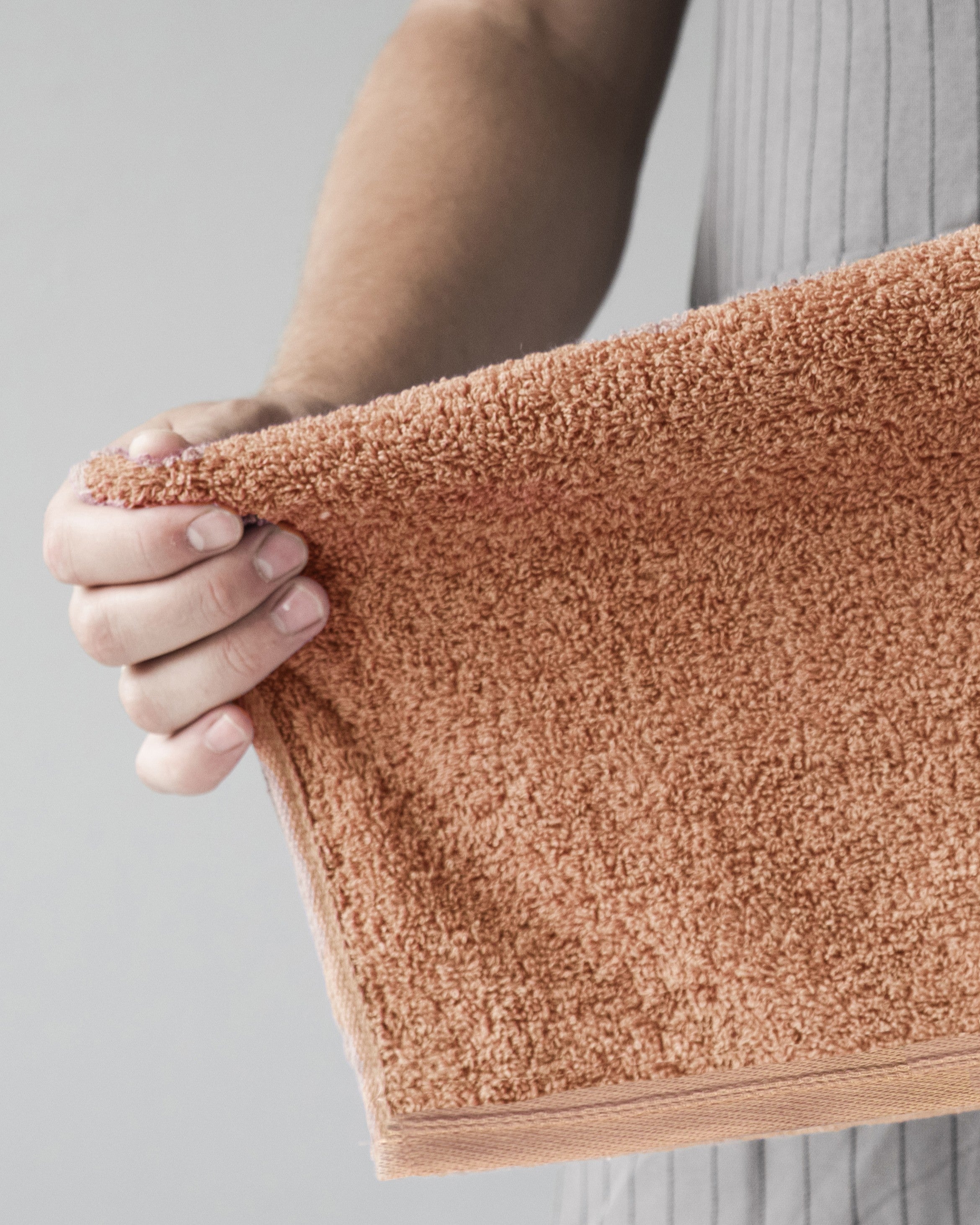
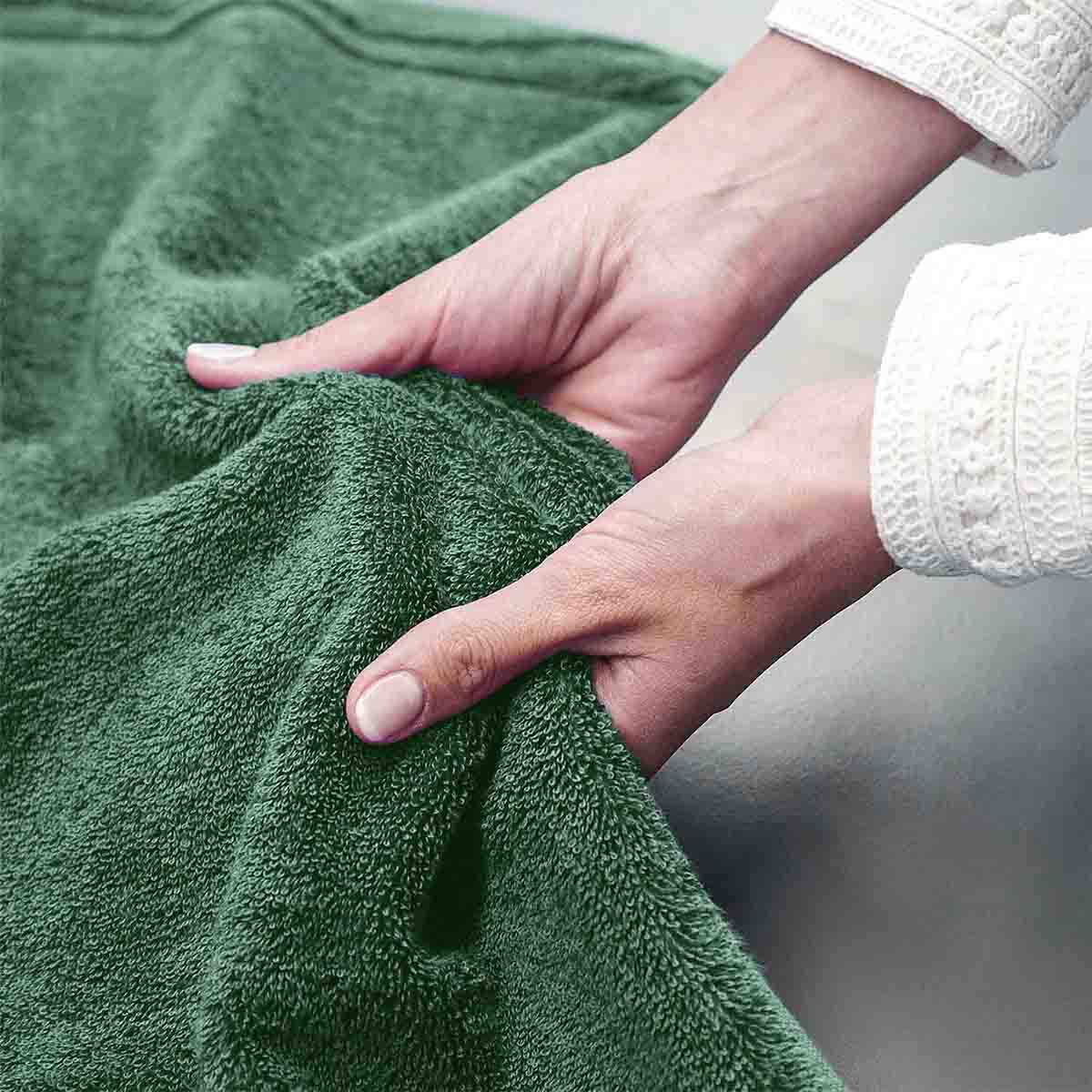
High-quality cotton fibers stay soft longer, lose their absorbency more slowly, and are more resistant to frequent washing. Especially tightly woven terry cloth lasts significantly longer in everyday use than inexpensive terry cloth items.
VOSSEN towels are manufactured in Jennersdorf, in the Austrian state of Burgenland, and undergo rigorous quality controls.
Frequency of Use
A bath towel used every day is subjected to more wear and tear than a guest towel or spa towel.
Towels used daily should be washed about every 2 to 3 days. The more often a towel is washed, the more wear and tear the fibers undergo. High-quality materials remain durable and absorbent for much longer.
Care: The Most Common Mistake
The biggest mistake people make when caring for towels is using fabric softener.
Fabric softener coats the fibers like a film and permanently reduces their absorbency. While this makes many towels feel soft at first, they dry less effectively and lose their functionality more quickly.
For proper care, we recommend the following:
- Washing at 40°C for Everyday Use
- occasionally 60°C for hygiene purposes
- No fabric softener
- Complete drying after washing
Here's a quick household tip: Adding a splash of household vinegar during the rinse cycle can help keep the fibers naturally soft.
How can you tell when a towel is worn out?
Not every old towel needs to be replaced right away. Some changes are purely cosmetic and have little effect on the towel's function.
However, there are clear signs that a replacement would be advisable:
- The towel feels rough or scratchy all the time
- Water is absorbed less effectively
- Even after washing, a musty odor persists
- Edges fray or patches of fabric become thin
- Stains or discoloration can no longer be removed
- Severe pilling occurs over larger areas
If several of these issues occur at the same time, it makes sense to replace the item for hygienic and functional reasons.
When is it really worth replacing something?
Many towels are replaced for aesthetic reasons, even though they are still perfectly fine from a functional standpoint. Slightly faded colors or small lint balls on the edges are usually not a problem.
Often, a single wash cycle at 60°C without fabric softener is enough to make towels feel noticeably fresher again.
An exchange is especially worthwhile when:
- the absorbency gradually decreases over time
- Unpleasant odors linger
- the structure is severely damaged
- Hygiene can no longer be guaranteed
High-quality towels usually reach this point much later than inexpensive ones. This saves money in the long run and reduces unnecessary consumption.
Why High-Quality Towels Last Longer
Its durability isn't apparent at first touch, but becomes evident after many washes and daily use.
High-quality cotton, durable weaving techniques, and modern technologies ensure that good-quality towels stay soft, absorbent, and retain their shape for longer.
Among other things, VOSSEN relies on what is known as AirPillow Technology, which was developed to provide high absorbency and exceptional softness. The products are manufactured sustainably in Austria.
Frequently Asked Questions About the Lifespan of Towels
How often should you change your towels?
Towels should be washed about every 2 to 3 days if used daily. How long they last overall depends largely on their quality and how well they are cared for.
Can you wash towels with fabric softener?
This is generally not recommended. Fabric softener reduces the absorbency of the fibers and can shorten the fabric's lifespan.
At what temperature should you wash towels?
40°C is usually sufficient for everyday use. For added hygiene, it is recommended to occasionally wash at 60°C.
How can you tell if a towel is high-quality?
High-quality towels remain absorbent, soft, and retain their shape even after many washes. They also pill less and have a uniform, dense weave.
Where are Vossen towels made?
Production takes place in Jennersdorf, in the Austrian state of Burgenland, under strict quality controls.
Conclusion: Good towels last significantly longer
The lifespan of a towel isn't a matter of chance. The key factors are material quality, workmanship, and proper care.
If you choose high-quality cotton and follow simple care instructions, you can use your towels for many years without sacrificing comfort or hygiene.
A quick look at absorbency, odor, and texture usually makes it clear whether a towel is still in good condition or if it’s time to replace it.