


How we at VOSSEN are rethinking sustainability and saving 66 million liters of drinking water each year.
For many people, water is simply taken for granted—especially in regions like Austria, which have high-quality water reserves. But from a global perspective, the reality is quite different.
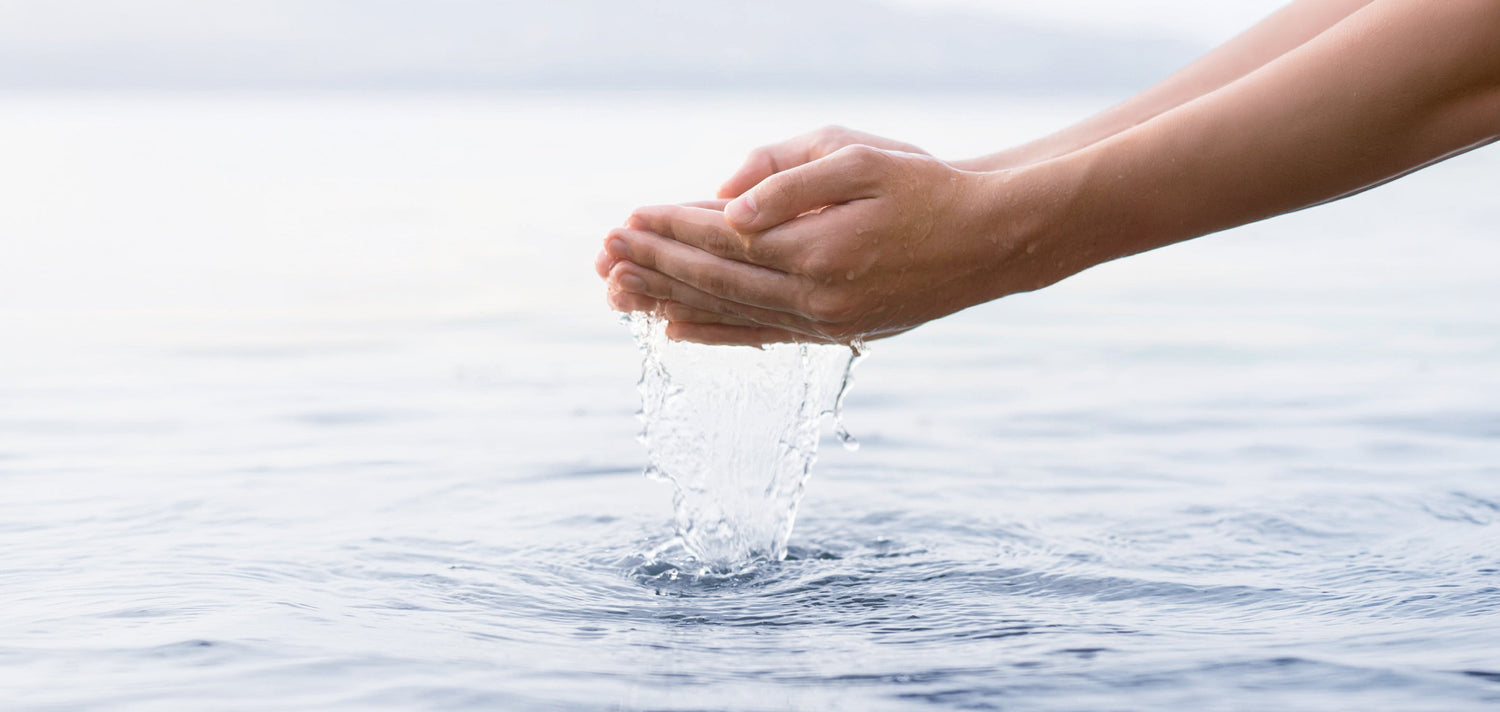
Only about three percent of the world’s water resources are suitable for drinking. At the same time, consumption is rising steadily. The conscious use of this resource is therefore increasingly becoming one of the most important challenges of our time. That is precisely why sustainability often begins right where we rethink processes and use existing resources wisely and, above all, responsibly.
Textile manufacturing is one of the most resource-intensive production processes worldwide—and water consumption, in particular, plays a crucial role. Dyeing, washing, and finishing require enormous amounts of water. At VOSSEN, our innovative AQUA.SAVE process demonstrates how quality and responsible business practices can go hand in hand.
For every towel produced, approximately 15 liters of drinking water are saved
The numbers speak for themselves: Each towel that leaves our production line saves about 15 liters of drinking water. Extrapolated, this amounts to a savings of 66 million liters of drinking water by 2025.
But how can this be done?
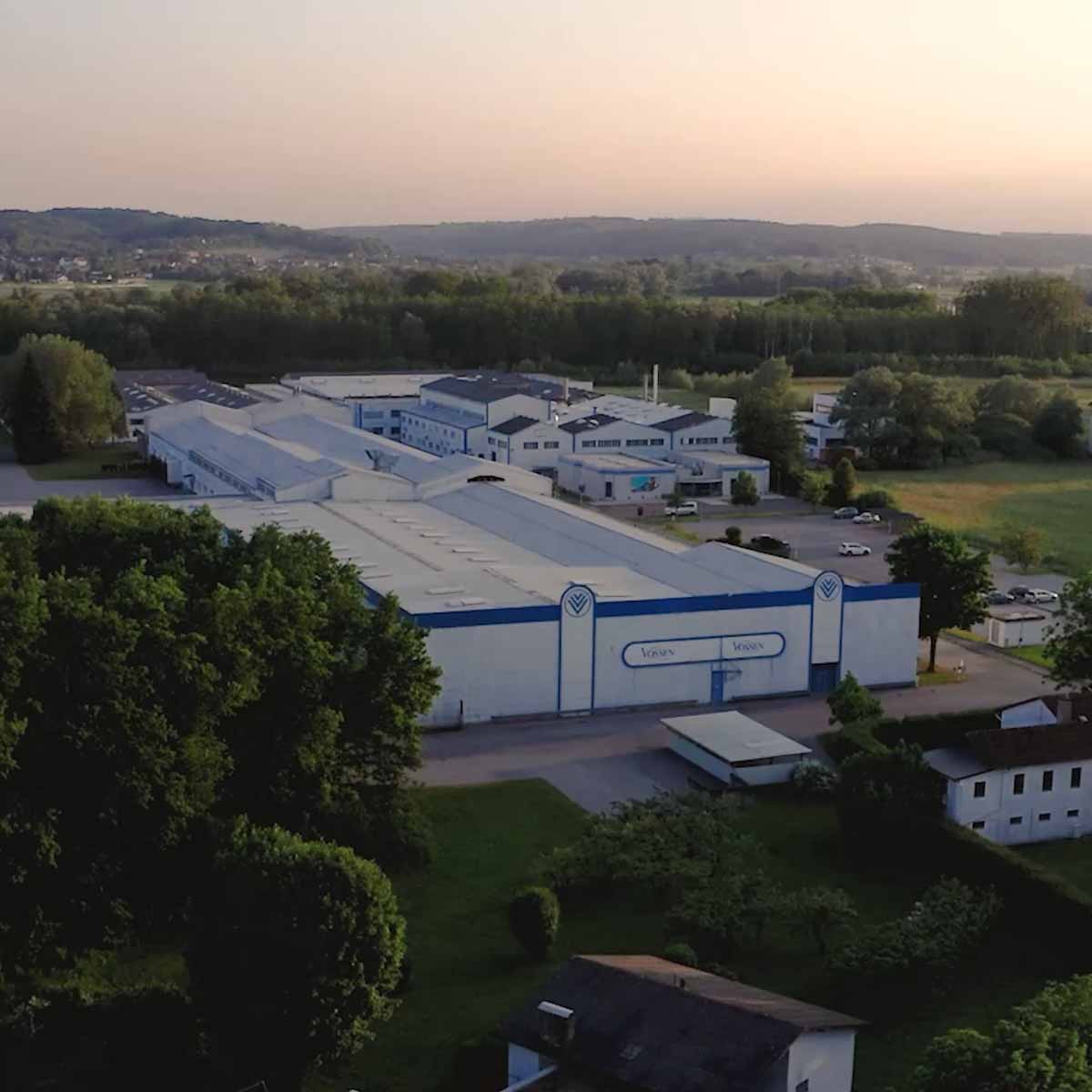
While large quantities of tap water are typically used in textile production—especially during the dyeing and washing processes—we at VOSSEN rely on an innovative process: Instead of using valuable drinking water, we use treated river water from the nearby Raab River. This water is first treated at our company’s own water treatment plant for production purposes so that it can be fed into the production process as clean water. And after the dyeing process, it is discharged back into the municipal wastewater system, having been treated to the same high standard of cleanliness.
At VOSSEN, we use the so-called “cold block” dyeing process. In this process, the fabric is rolled onto dye blocks and then dyed. The dye is allowed an average of 16 hours to bond with the fabric. It is one of the most environmentally friendly and skin-friendly dyeing processes. The dye is then washed out, and we always wash from light to dark to conserve water during this step as well.
The result is remarkable: Not a single drop of drinking water is required throughout the entire production process.
At VOSSEN, sustainability is closely linked to our high quality standards, because a product that can be used for many years and brings joy consumes fewer resources in the long run than items that need to be replaced frequently. High-quality towels thus become durable companions in everyday life—often spanning generations.